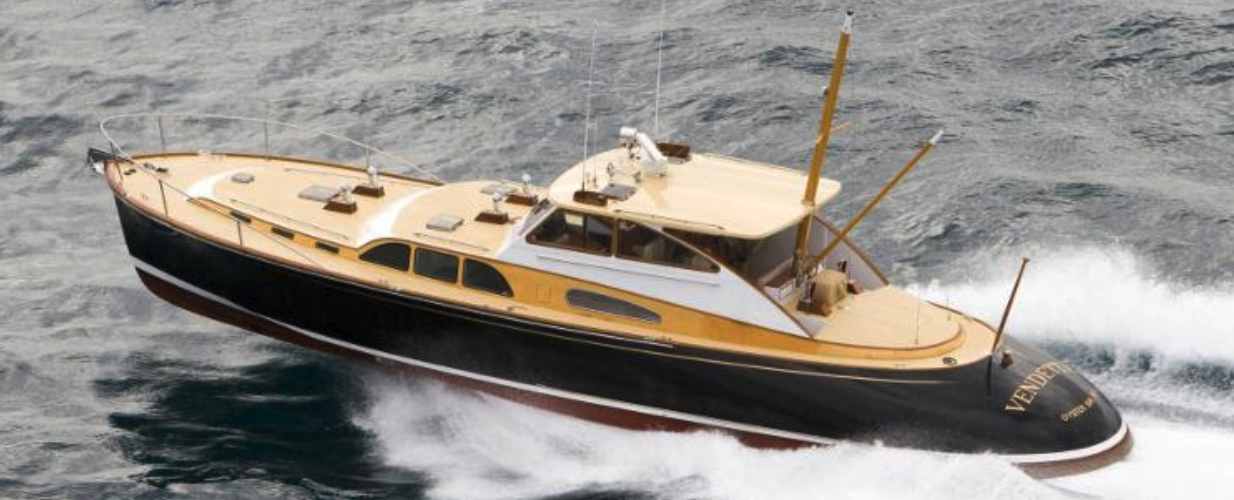
Donating your yacht to The International SeaKeepers Society — a recognized 501(c)(3) (EIN 58-2385869) — produces a charitable deduction equal to the vessel's fair-market value, supported by a qualified independent appraisal. The mechanism is straightforward; the specifics matter.
Title transfers to SeaKeepers. SeaKeepers issues IRS Form 1098-C documenting the contribution. The donor files Form 8283 with their federal return (and, for vessels over $5,000, attaches a qualified independent appraisal). The deduction reduces the donor's taxable income up to 50% of adjusted gross income in the year of the gift, with carry-forward provisions for the excess.
A tax deduction reduces taxable income; it is not a dollar-for-dollar credit. Actual cash savings depend on the donor's marginal rate and personal tax situation. The numbers below are the IRS framework. The application to your specific return belongs to your CPA or tax attorney.
One clean pathway. The simplest, cleanest tax outcome.
Transfer full ownership of your vessel (or a corporation holding the vessel) to The International SeaKeepers Society. You receive the maximum legitimate tax deduction based on fair-market value, supported by a qualified independent appraisal. From that point, SeaKeepers — and our team — take over the vessel.
SeaKeepers accepts sailboats, powerboats, motor yachts, sportfish, sailing yachts, commercial vessels, and personal watercraft. The cleanest path is a seaworthy vessel with clean title — beyond that we look at each situation on its merits.
For vessels valued over $5,000, the IRS requires a qualified independent appraisal by a qualified value appraiser. The appraiser determines fair-market value using comparable sales, vessel condition, market conditions, and other accepted valuation methods. The donor engages and pays for this appraisal (the recipient charity cannot, by IRS rule).
IRS Form 1098-C is issued by SeaKeepers documenting the contribution. Form 8283 is filed by the donor with their federal return (vessels valued over $500). For vessels over $5,000, the qualified appraisal is attached. Vessels over $500,000 require the appraiser's signature on Form 8283 Section B Part III.
Charitable deductions to qualified 501(c)(3) organizations may be claimed up to 50% of the donor's adjusted gross income in the year of the gift. Excess may generally be carried forward for up to five additional tax years. Consult your tax advisor for the specifics that apply to your situation.
A marine surveyor assesses vessel condition for insurance, financing, or purchase decisions. A qualified value appraiser, as defined by IRS regulations, performs the formal valuation required to support a charitable contribution deduction. These are different roles with different IRS-required credentials. The IRS will not accept a marine survey in place of a qualified appraisal for tax-deduction purposes.
Yes. The government allows a charitable deduction against a corporation's taxable income. The transfer may be made by the corporation directly or by a corporation holding the vessel. Specifics depend on the corporate structure and should be discussed with the corporation's tax advisor.
A confidential call. We provide an indicative fair-market range for your vessel and an estimate of the corresponding deduction, based on your vessel and our reading of the comparable market.
Request an Estimate